

Los Angeles Addiction Rehab That Accepts Aetna

Stairway Resource Center is a community-based addiction rehab center in Woodland Hills, California, that is an in-network provider with Aetna. Through our comprehensive, structured outpatient programs, we provide adults struggling with substance use disorder (SUD) and co-occurring mental health conditions with treatment for dual diagnosis.

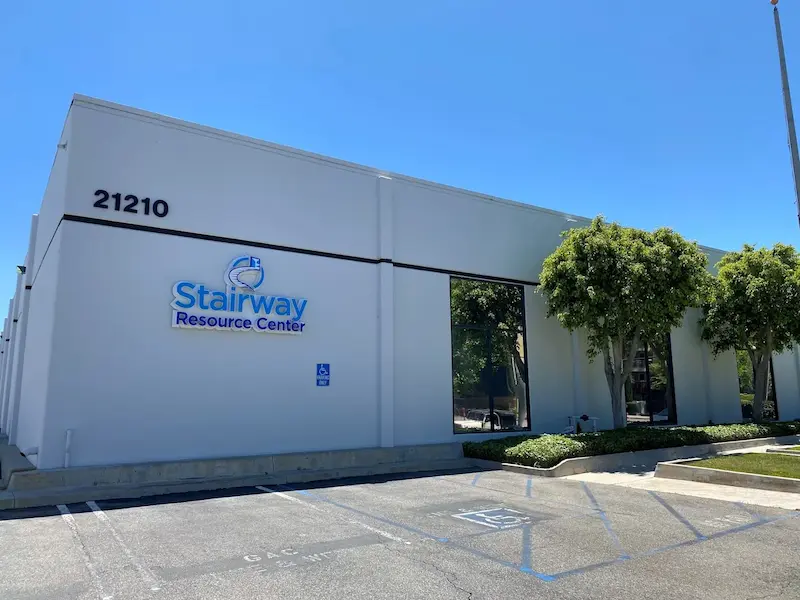
Stairway Resource Center building exterior with facility signage displayed on a white commercial office building in Southern California.

Using Aetna Insurance for Addiction Treatment

Aenta covers alcohol and drug rehab and mental health treatment for individuals and their family members. As an Affordable Care Act (ACA) compliant insurance company, essential health benefits must be covered. Aetna insurance coverage can vary, depending on treatment, what you qualify for, and whether you choose an in-network or out-of-network provider. Aetna often covers both in-person and telehealth addiction and mental health services.

Does Aetna Cover Dual Diagnosis Treatment?

Yes. Like all insurance providers in the United States, Aetna covers substance abuse treatment as required by law under the Affordable Care Act (ACA), also known as Obamacare. The ACA requires any treatment facility in the U.S. to provide rehab to those seeking addiction recovery, including dual diagnosis treatment for substance use disorders and mental health treatment, such as addressing behavioral health.

However, the amount of coverage you get significantly depends on which plan you have. In addition, Aetna may not cover out-of-network providers, which means you’ll have a more limited number of treatment centers to choose from. However, the selection of in-network providers tends to be rather large.

Contacting our admissions team for insurance verification is the first step in finding affordable addiction treatment.

Aetna Rehab Programs Covered

Aetna is an insurance company focused on providing high-quality mental health care, including prevention and aftercare services.

Inpatient and Residential Treatment

Aetna covers inpatient rehab and residential treatment for substance abuse and mental health disorders. Coverage can include levels of care such as residential programs and medical detox for withdrawal symptoms within structured environments, which may be required to be deemed medically necessary.

Partial Hospitalization Programs (PHP)

Aetna covers partial hospitalization programs (PHPs) for substance use and mental health disorders. PHPs are more intensive than outpatient programs, involving additional hours of structured therapy per day. Aetna may require in-network PHP providers and prior authorization for medical necessity. 

Outpatient Treatment and Intensive Outpatient Programs (IOP)

Aetna covers outpatient treatment for substance use disorder as well as mental health services. Coverage for outpatient rehab usually includes individual, group, and family therapy through intensive outpatient programs (IOPs), which allow clients to live at home while receiving outpatient care.

Therapy, Counseling, and Group Therapy

Aetna plans also cover psychotherapy, counseling, and group therapy independently of your primary treatment program, making it easier to access aftercare and ongoing treatment during your recovery journey.

Aftercare and Ongoing Support

Aetna plans cover aftercare and ongoing support services, such as individual/group therapy, relapse prevention programs, counseling, and virtual care. Additional support may include sober living and 24/7 mental health support.

Dual Diagnosis and Mental Health Services Covered

Aetna coverage includes treatment for dual diagnosis. Substance abuse treatment may be combined with co-occurring disorder treatment for mental health conditions such as anxiety, post-traumatic stress disorder (PTSD), and depression. Our co-occurring disorder treatment includes evidence-based modalities such as cognitive-behavioral therapy (CBT) and eye movement desensitization and reprocessing (EMDR), which help clients process and reframe thought patterns.
 

Understanding Aetna Insurance Plans and Costs

Understanding Aetna insurance coverage can help make addiction treatment more accessible and affordable. As an ACA-compliant insurance provider, Aetna covers many behavioral health and substance use disorder treatment services, including dual diagnosis care.

Your exact benefits depend on your plan type, deductible, copays, coinsurance, and whether you choose an in-network or out-of-network provider. Some services may also require prior authorization or proof of medical necessity.

two men discussing recovery in the rehab center
We help clients verify insurance coverage and better understand potential out-of-pocket costs before beginning treatment.

Deductibles, Copayments, and Out-of-Pocket Costs

The cost of addiction treatment with Aetna depends on your individual insurance plan and benefits. Many clients are responsible for a deductible before insurance begins covering services. Once the deductible is met, you may still have copays, coinsurance, or other out-of-pocket costs for services like inpatient rehab, outpatient treatment, therapy sessions, or medication-assisted treatment (MAT).

Your total expenses may also depend on:
  • Whether a treatment facility is considered in-network
  • The level of care you need
  • Your annual out-of-pocket maximum
  • Length of treatment
  • Whether prior authorization or pre-authorization is required
Our admissions team can help explain your benefits and verify your insurance coverage before treatment begins, so you understand any financial responsibilities upfront.

Bronze, Silver, Gold, and Platinum Plans

Aetna offers several ACA-compliant insurance plans through the Health Insurance Marketplace, including Bronze, Silver, Gold, and Platinum plans. Each plan differs in monthly premiums and out-of-pocket costs.
Bronze
Bronze plans typically have lower monthly premiums but higher deductibles and copays
Silver
Silver plans often balance premiums and treatment coverage
Gold
Gold plans generally have higher monthly premiums but lower out-of-pocket costs for medical and behavioral health services
Platinum (Catastrophic)
Platinum plans generally have higher monthly premiums but lower out-of-pocket costs for medical and behavioral health services
Some Aetna plans may also include HMO or PPO options. PPO plans often offer greater flexibility in choosing out-of-network providers. In contrast, HMO plans may require clients to stay within a network of approved providers for the highest level of coverage.

How Coverage Impacts Your Treatment Options 

Your Aetna insurance plan can influence the types of addiction and mental health services available to you.

For example, Aetna may require proof of medical necessity before approving certain services, particularly inpatient rehab, residential treatment, or long-term care. Factors such as severity of substance use disorder, co-occurring conditions, relapse history, and withdrawal risks may all impact authorization decisions.

Our team works directly with Aetna to help clients navigate insurance verification, determine eligibility, and access the appropriate level of care.

What Sets Us Apart

Our comprehensive approach at Stairway Resource Center combines clinical expertise, spiritual recovery, and community support to guide clients toward lasting sobriety and mental wellness.

True Dual Diagnosis Expertise

Treating addiction alongside severe mental health disorders using individualized clinical strategies.

Deep 12-Step Integration

One of the largest AA/NA recovery communities in the region, helping clients build lifelong support networks.

Long-Term Structured Care

Programs designed for sustainable healing — not rushed timelines dictated by insurance.

Community Engagement & Service

Clients participate in sober events, outreach initiatives, and quarterly homeless drives — reinforcing purpose in recovery.

Relapse Prevention Leadership

The Gorski Model helps clients identify triggers, manage cravings, and build coping skills for real-world success.

In-House Advanced Mental Health Treatment

Including EMDR, neurofeedback, brainspotting, and Transcranial Magnetic Stimulation (TMS) for medication-resistant conditions.

In-Network vs. Out-of-Network Rehab Centers

Choosing between an in-network and out-of-network rehab center can significantly affect treatment costs and insurance coverage.

An in-network rehab center has a contracted agreement with Aetna to provide services at negotiated rates. This typically results in lower deductibles, lower copays, and reduced out-of-pocket costs for clients. We work with Aetna plans to help clients access affordable addiction and mental health treatment.

Out-of-network providers do not have contracted rates with Aetna, which can lead to higher coinsurance costs or reduced reimbursement depending on your PPO or HMO plan. Some plans may not cover out-of-network substance use disorder treatment at all except during emergencies.

While insurance coverage matters, it is also important to choose a treatment center that provides specialized support for dual diagnosis, relapse prevention, and long-term recovery. We combine evidence-based therapies, structured programming, and strong recovery community involvement to support lasting healing.

How to Verify Your Aetna Insurance Coverage

Verifying your Aetna insurance benefits is one of the first steps toward starting addiction treatment. Our admissions team can help determine:
  • Whether your plan is in-network
  • Your deductible and copays
  • Estimated out-of-pocket costs
  • Whether prior authorization is required
  • Coverage for PHP, IOP, outpatient treatment, or residential rehab
  • Eligibility for dual diagnosis treatment and mental health services
  • Whether prior authorization is required
Insurance verification is confidential and can often be completed quickly. We understand that reaching out for help can feel overwhelming, and our team is here to guide you through the process with compassion and clarity.

Contact us today to learn more about Aetna rehab coverage and available treatment options in Los Angeles County.

When to Seek Help for Substance Abuse or Mental Health

Recognizing when to seek professional help for substance use disorder or mental health challenges is not always easy. Many people delay treatment because they believe their symptoms are “not serious enough” or think they should be able to manage things on their own. However, early intervention can make recovery more effective and help prevent long-term physical, emotional, financial, and relationship consequences.

Signs of Substance Use
Disorder

Common signs that drug or alcohol use may require professional treatment include:
  • Using substances more often or in larger amounts than intended
  • Experiencing cravings or withdrawal symptoms
  • Difficulty stopping despite negative consequences
  • Increased tolerance over time
  • Neglecting work, school, or family responsibilities
  • Hiding substance use from loved ones
  • Continuing to use despite health or mental health concerns
Substance use disorder involving alcohol, opioids, cocaine, methamphetamine, or prescription drugs can quickly become dangerous without proper support and treatment.

Signs of Co-Occurring Mental Health Conditions

Mental health conditions and addiction often occur together. Signs that someone may benefit from dual diagnosis treatment include:
  • Anxiety, panic attacks, or excessive worry
  • Depression or persistent sadness
  • Mood swings or emotional instability
  • Trauma or PTSD symptoms
  • Social withdrawal or isolation
  • Difficulty sleeping or changes in appetite
  • Trouble concentrating or functioning day to day
At our rehab center, treatment focuses on both addiction and co-occurring disorders rather than treating only one condition at a time.

When Treatment May Be Needed

Professional treatment may be beneficial if substance use or mental health symptoms are affecting:
  • Relationships with family or friends
  • Physical health and daily functioning
  • Employment or school performance
  • Financial stability
  • Legal or court-related issues
  • Motivation, self-care, or overall quality of life
Whether someone needs outpatient treatment, an intensive outpatient program (IOP), a partial hospitalization program (PHP), or residential treatment depends on their individual needs and level of support required.

Recovery Starts With Reaching Out

Seeking help is not a sign of failure. Recovery is possible with the right clinical care, community support, and long-term structure. We provide compassionate, evidence-based treatment for adults struggling with addiction, mental health disorders, and chronic relapse patterns.
 

Are you ready to get started on your journey to long-term recovery?

Learn more about our admissions process or call now to speak with a treatment expert for assistance.

FAQs

Does Aetna cover rehab in California? 

Yes, Aetna covers drug and alcohol rehab in California, which includes inpatient, outpatient, and medication-assisted treatment.

Yes, pre-authorization (also referred to as prior authorization) is generally required for inpatient, residential, and intensive outpatient drug and alcohol rehab with Aetna in California. Members must ensure that in-network providers submit these requests to avoid possible charges for non-emergency stays.

Many Aetna plans include coverage for therapy, family therapy, support groups, and aftercare services that support long-term recovery.

Coverage depends on the specific program and insurance plan. Contact our admissions team to discuss Medicare, Medicaid, or Aetna insurance verification and available treatment options.

The right level of care depends on factors like the severity of substance use, mental health symptoms, relapse history, home environment, and overall stability. If detoxification is necessary, we can refer out. After completing an assessment, Stairway Resource Center can help determine whether outpatient treatment, IOP, PHP, or residential treatment is the best fit for your recovery needs.


Ready to Get Started on Your Journey to Long-Term Recovery?

Learn More About Our Admissions Process or Call Now to Speak With a Treatment Expert

Our Substance Use and Mental Health Disorder Blog.

As a community based treatment center, it’s important to us that we share helpful resources and expert content created for those who are seeking treatment or already in recovery.

Our goal is to educate and support anyone who needs help.