
Intensive Outpatient Program (IOP) in Woodland Hills, California

At Stairway Resource Center, we offer community-driven dual diagnosis treatment for substance use disorder (SUD) and mental health disorders through intensive outpatient programs (IOP), outpatient programs (OP), and sober living accommodations.

We Accept Most Major Insurances


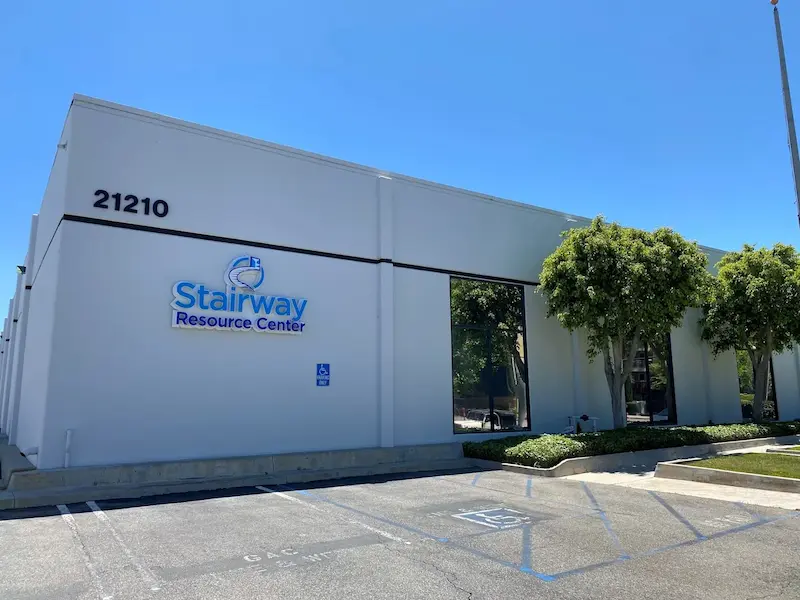
Stairway Resource Center building exterior with facility signage displayed on a white commercial office building in Southern California.

Our Approach to IOP Near Los Angeles

Our team at Stairway Resource Center treats individuals of all demographics who are facing problems with addiction and co-occurring mental health conditions. We are 100% eclectic, including people experiencing homelessness, LGBTQ+ people, lawyers, doctors, and more. We provide individual sessions for pain management and behavioral health care using unique approaches, including eye movement desensitization and reprocessing (EMDR), neurofeedback, brainspotting, TMS (transcranial magnetic stimulation), and more.

A Structured and Caring Recovery Center in Woodland Hills, CA

Located in Woodland Hills, near Los Angeles, our outpatient rehab facility is a sanctuary where clients like you can focus on healing and recovery. The facility is designed to promote growth with comfortable community spaces and private treatment rooms. By fostering an environment where individuals can heal together, we create a network of encouragement and understanding that is invaluable during recovery.

What Sets Us Apart

Our comprehensive approach combines clinical expertise, spiritual recovery, and community support to guide you or your loved one toward lasting sobriety and mental wellness.

True Dual Diagnosis Expertise

Treating addiction alongside severe mental health disorders using individualized clinical strategies.

Deep 12-Step Integration

One of the largest AA/NA recovery communities in the region, helping clients build lifelong support networks.

Long-Term Structured Care

Programs designed for sustainable healing — not rushed timelines dictated by insurance.

Community Engagement & Service

Clients participate in sober events, outreach initiatives, and quarterly homeless drives — reinforcing their sense of purpose in recovery.

Relapse Prevention Leadership

The Gorski Model helps clients identify triggers, manage cravings, and build coping skills for real-world success.

In-House Advanced Mental Health Treatment

Including EMDR, neurofeedback, brainspotting, and Transcranial Magnetic Stimulation (TMS) for medication-resistant conditions.

Benefits of Our Evidence-Based Therapies and Holistic Approach

At Stairway Resource Center, we believe that treating addiction or poor mental health requires a holistic approach. Our treatment center strives to offer personalized, holistic care. Stairway Resource Center’s mission is to meet your unique needs, whether you are battling addiction or a dual diagnosis. Our holistic methods, such as yoga, art therapy, mindfulness, and meditation, support a whole-person approach for safe healing.

Therefore, you can reconnect with yourself and build the strength needed for long-term recovery. We regularly revise and update treatment plans to ensure that they meet your evolving needs. 

Individualized Treatment Plan

At Stairway Resource Center, we help develop personalized treatment plans. Our outpatient treatment approach addresses additional concerns and supports recovery management. Whether you or a loved one is stepping down from a higher level of care or seeking aftercare support, our outpatient care options cater to each stage of your recovery.
A concerned family member consults with an addiction intervention specialist, getting the expert guidance needed to effectively plan a loving and structured intervention.

Clinical Modalities We Offer

Here at Stairway Resource Center, we offer a range of mental health services to meet your needs. Outpatient talk therapy includes the following: 
  • Cognitive-behavioral therapy (CBT)
  • Dialectical behavior therapy (DBT)
  • Motivational interviewing (MI)
  • Trauma-informed care (TIC)
  • Individual therapy
  • Group therapy 
  • Family interventions
  • Medication management

Incorporating Wellness and Life Skills

The team at our intensive outpatient program in Los Angeles integrates holistic methods alongside other forms of treatment so you can thrive in recovery. We deliver effective yet enhanced care. Holistic methods include the following:  
  • Mindfulness and meditation
  • Relapse prevention strategies
  • Job and educational assistance
a mom and her teenage daughter

What to Expect During IOP in Woodland Hills

We offer a range of services, including intensive outpatient programs (IOP), outpatient programs (OP), and sober living accommodations. Our programs are built on a spiritual foundation that promotes growth, healing, and connection, so you are fully supported throughout the process.

Flexible Scheduling for Daily Life

Balancing daily life priorities, such as school or work, with treatment can be tough. Outpatient addiction or mental health treatment provides the flexibility needed to maintain daily responsibilities and repair relationships for improved family bonds.

In-Person and Hybrid Treatment Options

Although telehealth may seem more convenient, on-site hybrid care can provide extensive benefits. You will have the opportunity to work alongside peers to improve communication and gain sober living skills. Hybrid treatment options at Stairway Resource Center include the following: 
  • In-House Psych & MD
  • Family Therapy and Community Support
  • Eye Movement Desensitization and Reprocessing (EMDR)
  • Outpatient Therapy and Sober Living
Detox center located in Tarzana, CA

Coordination With Sober Living and Aftercare Services

If you or your loved one has severe SUD or co-occurring mental health issues, you commonly struggle to maintain sobriety. Studies indicate that approximately 85% of those with substance use disorder relapse and delve back into the cycle of addiction within one year after completing their treatment program. Outcomes involve nicotine, alcohol, illicit drug abuse, weight problems, and more. 

Conditions We Treat in Our Los Angeles IOP

Our recovery team focuses on severe/extreme mental health cases alongside various  SUDs. We treat conditions like attention-deficit hyperactivity disorder (ADHD). depression, anxiety, obsessive compulsive disorder (OCD), post-traumatic stress disorder (PTSD), Alzheimer’s onset, and traumatic brain injuries (TBIs). Chronic relapsers are our specialty, offering solutions when other treatments have failed. 

Substance Use Disorders and
Addiction Treatment

Prolonged addiction that goes unaddressed often leads to severe SUD. However, with our In-House Psych & MD, clients see the same professionals throughout their treatment for psychiatric and medical needs (not outsourced or Zoom-based).

Common Mental Health
Conditions

Some individuals may attempt to mask trauma-related disorder symptoms, such as PTSD, with drugs or alcohol. However, prolonged substance use can also lead to eating disorders, depression, anxiety, personality disorders, bipolar disorder, or more. 

Dual Diagnosis and Co-Occurring Disorders

A dual diagnosis can be defined as having two or more health conditions. We treat both addiction and poor mental health as they are commonly linked.

The Role of Community in Recovery

The risk of relapse is particularly high in early recovery. Community support is crucial for relapse prevention. Our aftercare programs include community support, sober housing, our alumni program, and access to a tried-and-true 12-Step program. Together, these elements will help you build a recovery toolkit that encourages long-term sobriety. Our highly trained experts will provide relapse-prevention strategies tailored to your needs.

Supportive Environment and Peer Connection

Establishing a strong support network is important in addiction recovery. Our addiction treatment center promotes peer connection by providing a supportive, sober environment to help you or your loved one stay on track toward ongoing healing. 

Alumni Involvement and Ongoing Support

Developing a strong support system is crucial to maintaining sobriety. Our alumni program can help by giving you access to a tried-and-true 12-Step program for dual support. Our highly-trained experts will develop personalized approaches so you can attend sober alumni events, participate in meetings, and gain educational tools for relapse prevention.

Family Members as Part of the Healing Process

Family support is a primary source of nurturement for a dual diagnosis. For that reason, we provide family therapy to help individual family members understand the impact of severe addiction. 
Group holding hands in support

Is IOP Right For You?

If you are facing challenges with a dual diagnosis, but do not require residential treatment, our IOP may be right for you in Los Angeles. However, intensive outpatient treatment can help you mend relationships, maintain daily responsibilities, and receive peer support while still receiving care. 

Benefits of IOP For SUD & Mental Health Treatment

If you do not require residential support but benefit from structured care, intensive outpatient treatment services can help. Our program can help you or a loved one develop the sober living skills needed to thrive in both treatment and recovery.

How to Get Started

If you or a loved one is ready to take the first step toward a brighter future, contact our admissions team to learn more about our programs and how we can help you build a life free from addiction.

Our Confidential Admissions Process

Some patients need medication management, others require intensive therapy, while still others require outpatient services. Whatever you need, our admissions team is here to help you find your way. Learn More About Our Admissions Process or Call Now to Speak With a Treatment Expert

Insurance Verification and Payment Options

Our team can also assist you in understanding your benefits and navigating the insurance process. We plan to work with you to ensure that financial barriers do not prevent you from receiving the care you need.

Frequently Asked Questions

What is the difference between an IOP and a PHP?

Our intensive outpatient program (IOP) in Los Angeles allows you to tackle your daily responsibilities, receive treatment, and return home on the same day. A partial hospitalization program (PHP) allows you to receive treatment in a hospital setting and return home later, too. However, you will spend most of your time in treatment for continuous support. Partial hospitalization is typically a higher level of care and is often used before stepping down to an IOP. Our admissions team can help you determine which treatment plan is best for you.

You can expect to spend about 3 months to 2 years in our intensive outpatient care program in the San Fernando Valley. Your level of care will vary depending on the severity of your condition and unique recovery needs. You can expect to plan a set of long-term recovery goals with a specialist in our treatment program at Stairway Resource Center to help you stay on track to lasting sobriety. 

Daily life responsibilities, such as work or school, do not have to be put on hold while you receive addiction or mental health treatment. You can absolutely attend our intensive outpatient program in Los Angeles while working towards other daily goals, so you can continue to work towards a better future. The program’s flexibility is one of the primary benefits of IOP at Stairway Resource Center.

Addiction can negatively impact a family unit. Therefore, our recovery team understands that family involvement is crucial in treatment and addiction recovery. Our clinical director oversees family therapy, family-only groups, Tuesday family groups, and one-on-one sessions for support. Family members who require their own individual therapy sessions are also kept in the loop. 

Once you or your loved one completes our intensive outpatient program, you are not left to venture your recovery journey alone. Our recovery team is here for you every step of the way. Depending on your condition, you may have the opportunity to step down to a lower level of care. For example, you may benefit from attending other relapse-prevention care that is less intensive, with shorter sessions or fewer sessions per week. Outpatient group therapy, outpatient individual therapy, holistic methods, or case management are just a few options to explore.

Healthcare can get expensive. Lack of health insurance is one of the main reasons people avoid seeking addiction and mental health care. Take comfort in knowing that Stairway Resource Center accepts most major insurance plans, making access to treatment more affordable and convenient for our clients. We recommend that you contact your insurance provider directly to confirm coverage specifics and any potential out-of-pocket costs. This way, you can better determine if you and your family are financially ready to take the next step.


Ready to Get Started on Your Journey to Long-Term Recovery?

Learn More About Our Admissions Process or Call Now to Speak With a Treatment Expert

Our Substance Use and Mental Health Disorder Blog.

As a community based treatment center, it’s important to us that we share helpful resources and expert content created for those who are seeking treatment or already in recovery.

Our goal is to educate and support anyone who needs help.