
We Accept Most Major Insurances







Our Benzo Addiction Treatment Program in Los Angeles
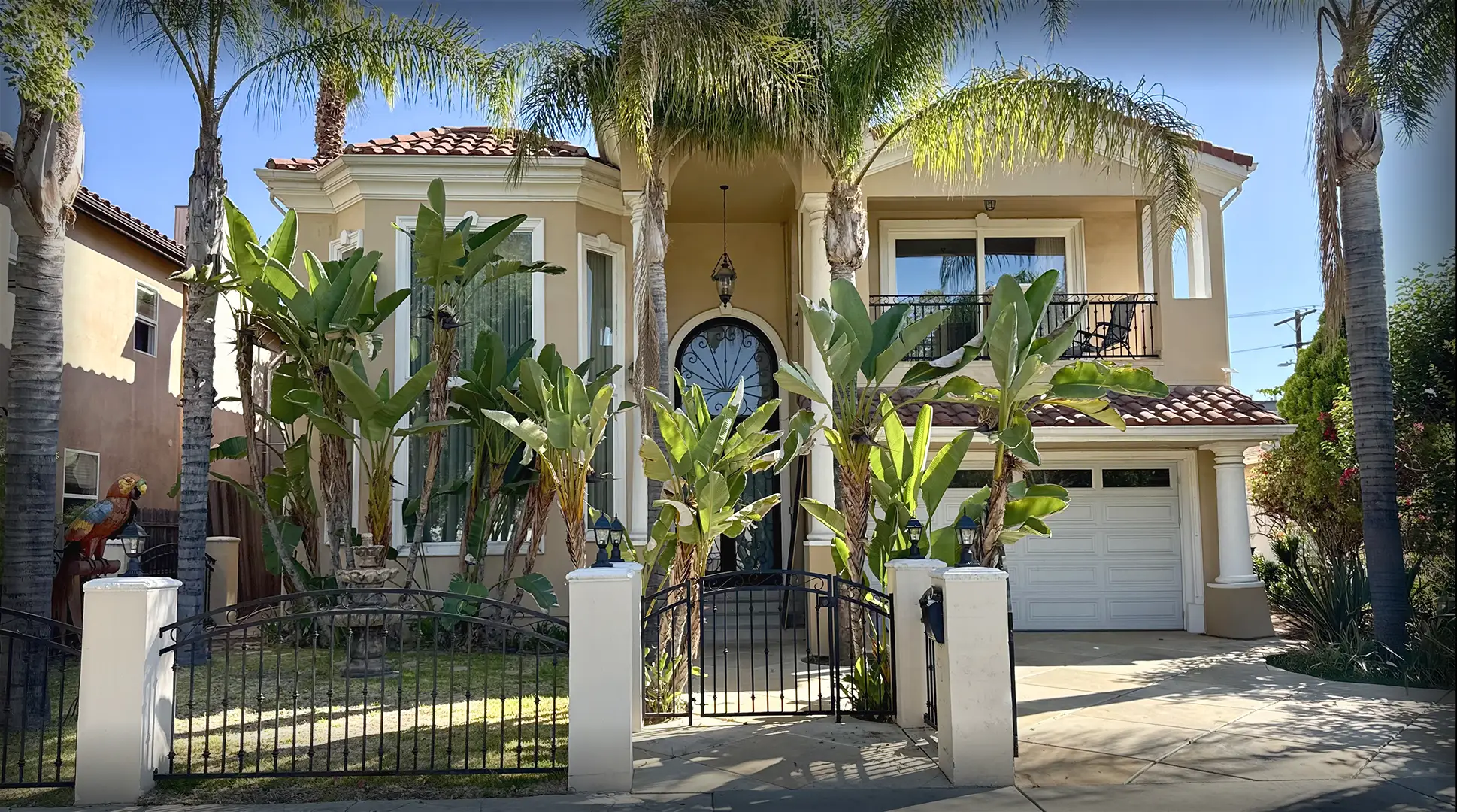
Located in Woodland Hills, California, Stairway Resource Center is dedicated to providing comprehensive and compassionate care for individuals struggling with addiction or a dual diagnosis. Our addiction treatment center specializes in addiction (primarily 12-Step-based), and we are a true dual diagnosis program. We focus on severe/extreme mental health conditions alongside addiction. Our rehab program is designed to foster community and personal growth, ensuring that you receive the support you need to achieve your recovery goals.
We understand that each individual’s path to healing is truly unique. Some individuals fight through trial and error, while others respond effectively to treatment. Developing an individualized treatment plan with one of our specialists can help ensure a smoother path forward.
We understand that a relapse can oftentimes feel like a major setback. Fortunately, chronic relapsers are also a specialty of ours. Our team offers solutions when other treatments have failed. We work with patients facing challenges with feelings of shame or guilt linked with relapse.
Outpatient Care for Benzo Rehab
Getting Started Is Easy
3 Easy Steps
What Sets Us Apart
Our comprehensive approach combines clinical expertise, spiritual recovery, and community support to guide clients toward lasting sobriety and mental wellness.
True Dual Diagnosis Expertise
Deep 12-Step Integration
Long-Term Structured Care
In-House Advanced Mental Health Treatment
Community Engagement & Service
Relapse Prevention Leadership
Accreditations


Benzodiazepine Use Disorder & Dual Diagnosis Treatment
We focus on creating a sober community that emphasizes connection and peer support. Our holistic therapies address the mind, body, and spirit, ensuring that your recovery journey is well-rounded. We allow patients like you to give back and connect with the broader community.
Individual Therapy
Family Therapy
Although individual therapy can support your healing process, our recovery team understands the importance of family involvement. Therefore, our clinical director oversees family therapy sessions, family-only groups, one-on-one sessions for families needing their own therapy, and Tuesday family groups.
Group Therapy & Alumni Support
Here at Stairway Resource Center, our compassionate recovery team understands that peer support is a vital part of recovery. For that reason, we offer group therapy options and alumni support to help you navigate recovery obstacles and maintain lasting stability.
Evidence-Based Therapies
If you are looking for a more holistic talk-therapy approach, our eye movement desensitization and reprocessing (EMDR) involves eight phases: history taking, client preparation, assessment, desensitization, installation, body scan, closure, and reevaluation of treatment effect. It was initially used to treat PTSD, but is now used to treat other conditions.
Aftercare Programs
The aftercare services here at Stairway Resource Center are custom-built to help you address your life after rehabilitation and achieve long-term healing from benzodiazepine addiction. Planning for aftercare is essential after treatment, as it creates a guide for sustained recovery by delivering structure, support, and resources to prevent relapse and develop a sober way of living. It reinforces the skills acquired during treatment, builds a network of support, encourages healthy behaviors, and ensures continuous accountability, tackling both substance abuse and simultaneous mental health conditions.
Our Continuum of Care for Benzo Addiction Treatment
We promote a collaborative working culture driven by respect, ethics, and integrity, and believe it is essential to empower employees to provide the highest level of patient care.

Partial Hospitalization Program (PHP)
Intensive Outpatient Program (IOP)
Outpatient Program (OP)
Sober Living Options

Signs It Is Time for Benzo Rehab
Benzodiazepines are primarily prescribed to treat various health conditions, including anxiety disorders, seizures, hallucinations, insomnia, and sometimes alcohol withdrawal symptoms. The prescription drug is one of the most prescribed classes of medications today. However, benzodiazepines are commonly abused.
Commonly Misused Medications
Frequently abused benzodiazepines include Xanax (alprazolam), Valium (diazepam), Ativan (lorazepam), and Klonopin (clonazepam). These prescription medications affect the central nervous system, impairing brain activity and resulting in sedation. Withdrawal symptoms commonly include memory problems, mood swings, and muscle spasms.
Why Physical Dependence Develops
However, tolerance and dependence can quickly form when using benzodiazepines. The brain eventually becomes less sensitive to the substance, leading to a built-up tolerance. When this occurs, an individual may use more than prescribed to achieve their desired effect. As a result, they develop benzodiazepine dependence.
How Benzo Addiction Treatment Helps
At Stairway Resource Center, our compassionate board-certified team wants you to feel heard. We provide top-tier services and quality care for patients like you. A sober community is essential for relapse prevention. When you’re in recovery from addiction, it’s important to know that there is a community of people out there who understand what you’re going through. With consistent benzo addiction treatment, aftercare support, and community involvement, you are likely to achieve a positive recovery outcome.
FAQs
Abruptly discontinuing benzodiazepines can be life-threatening. This can be especially problematic if you are facing challenges with underlying health conditions or co-occurring psychiatric disorders. Suddenly stopping can cause severe withdrawal symptoms, including seizures, heart palpitations, and a host of perceptual changes due to dangerous changes within the nervous system.
For that reason, receiving medical detoxification is critical to ensure stabilization before transitioning into our benzodiazepine addiction treatment program.
Although we recently closed our medically supervised detox center at Stairway Resource Center, we are glad to refer you to a safe benzo detox center we trust. If you are facing challenges with severe benzodiazepine addiction or co-occurring mental health conditions, our recovery team may advise you to receive safe medical detox before transitioning into our care.
Depending on the severity of your substance use disorder, you may receive methadone to ease symptoms. Our substance abuse treatment in Los Angeles understands that inpatient rehab and residential treatment can be time-consuming. However, with medical detoxification and later psychiatric care during the day, you can return home to tackle other priorities for balance.
If your panic disorder returns, our team would be happy to go back to the drawing board. You are welcome to meet with our benzodiazepine addiction treatment team and adjust your individualized treatment plan accordingly. We specialize in panic disorders and understand the significance of professional support.
Our addiction specialists can work closely with you to address your new symptoms and concerns to help you achieve emotional regulation and aid in relapse prevention. We strive to align the most effective aftercare benzo treatment options with your unique needs and recovery goals. For example, a specialist might recommend outpatient therapy, complementary holistic modalities, medication-assisted treatment (MAT), medication management, alumni support, etc.
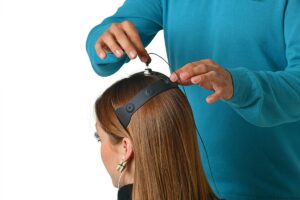
TMS (transcranial magnetic stimulation) is a non-invasive treatment effective for depression, anxiety, post-traumatic stress disorder (PTSD), and other mental health disorders. By stimulating specific brain regions, TMS promotes healing and alleviates symptoms, enhancing the overall recovery experience. It is an innovative tool in our comprehensive, evidence-based treatment approach.
Chronic relapses are a specialty, offering solutions when other treatments have failed. We provide individualized comprehensive care to help you navigate the effects of benzodiazepine addiction, cravings, triggers, or other underlying health conditions that may be interfering with your ability to sustain lasting sobriety.
We understand that navigating the hurdles involved with insurance coverage can feel overwhelming. It is common for some families to. Our Alcohol Treatment and Drug Abuse Treatment in San Diego, California, accepts most major insurance providers, including Aetna, Anthem, Blue Cross Blue Shield of California, Cigna, United Healthcare, etc.