

Los Angeles Addiction Rehab in that Accepts Blue Cross Blue Shield (BCBS)

Stairway Resource Center is an in-network Blue Cross Blue Shield rehab facility located in Woodland Hills, CA, offering evidence-based care for substance use and mental health disorders. BCBS coverage supports treatment options, including outpatient and intensive outpatient programs (IOPs), as well as community-focused support through individual, group, and family therapy.

Blue Cross Blue Shield Insurance Coverage for Addiction Treatment

Blue Cross Blue Shield (BCBS) is a network of independent health insurance companies that offers a variety of health plans across the United States, including PPO, HMO, POS, EPO, employer-sponsored, Marketplace, Medicare Advantage, and some Medicaid plans. Coverage for addiction and mental health treatment varies depending on your specific plan and location.

Under the Affordable Care Act (ACA), most BCBS Marketplace plans are required to include essential health benefits, which include mental health and substance use disorder services. This means many plans provide coverage for rehab and behavioral health treatment, though the level of coverage, prior authorization requirements, and out-of-pocket costs still vary by plan.
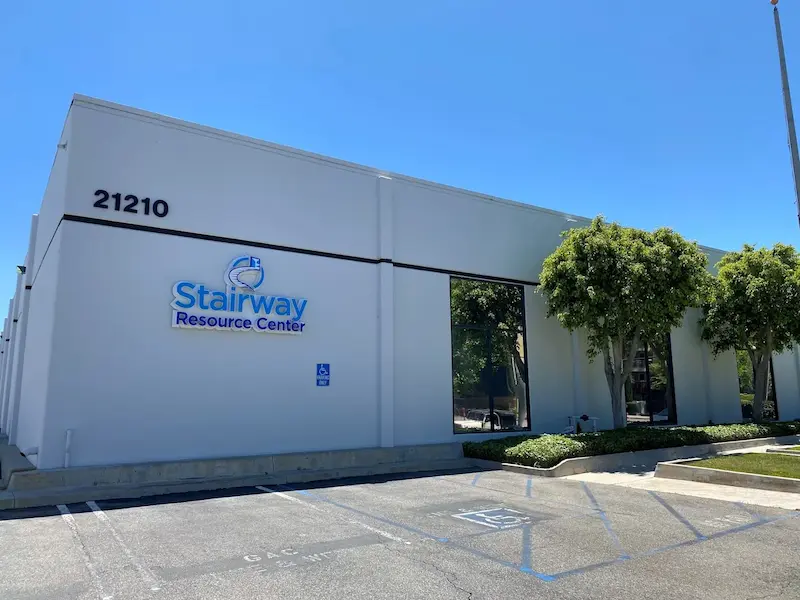
Stairway Resource Center building exterior with facility signage displayed on a white commercial office building in Southern California.
With BCBS, you have a wide network to choose from for coverage. To ensure coverage, you’ll want to attend treatment with an in-network provider, or you or a loved one may pay out-of-pocket expenses for treatment. Because benefits vary by plan and location, verifying your coverage may require additional review compared to some government-sponsored insurance programs.

Our structured programs, including outpatient and behavioral health services, are in-network with Blue Cross Blue Shield. If you or a loved one has personal insurance and wants to attend drug and alcohol rehab for improved mental health, speak with our staff to receive admissions guidance and discuss the verification process. 

Does Blue Cross Blue Shield Cover Drug Rehab and Mental Health Treatment?

Many Blue Cross Blue Shield plans include coverage for substance use disorder and mental health treatment as required under applicable federal and state regulations. Coverage details, limitations, and authorization requirements vary by plan. Healthcare coverage includes substance abuse, co-occurring mental health disorders, and behavioral health services for in-network treatment. 

Blue Cross Blue Shield offers several plan types, including HMO, PPO, POS, and EPO plans. Depending on your specific plan, you may be required to use in-network providers or obtain referrals for certain services. Some treatments may also require prior authorization before coverage is approved.

BCBS plans cannot deny coverage or charge higher premiums based on pre-existing mental health or substance use disorders.

What Types of Treatment Programs Does Blue Cross Blue Shield Cover?

Speaking with a BCBS Insurance expert can help you understand the details of your coverage. Blue Cross Blue Shield typically provides coverage for alcohol and drug rehab through various levels of care. 

Our admissions team is available to help answer all your questions regarding HMO, PPO, and POS. We can help you navigate coverage, out-of-pocket costs, copayments, the need for preauthorization, and understand in-network vs. out-of-network.

Inpatient Rehab and Residential Treatment

Many Blue Cross Blue Shield plans provide coverage for residential and inpatient addiction treatment when services are deemed medically necessary. Coverage levels, authorization requirements, and out-of-pocket costs vary by plan, provider network, and state. Verifying your benefits before beginning treatment can help you understand your available coverage.

Partial Hospitalization Programs (PHP)

Many Blue Cross Blue Shield plans provide coverage for partial hospitalization programs (PHPs) when medically necessary. Coverage requirements, authorization rules, and out-of-pocket costs vary by plan. PHP offers a high level of clinical support and structure for individuals needing intensive treatment without full hospitalization.

Outpatient Treatment and Intensive Outpatient Programs (IOP)

We provide flexible yet structured support through our intensive outpatient program (IOP) and outpatient treatment options. With BCBS, you can attend a wide range of in-network outpatient treatment centers for addiction treatment, including IOP and long-term care.

Coverage for outpatient addiction treatment varies by plan and may include deductibles, copayments, coinsurance, or prior authorization requirements. Contact BCBS or speak with our admissions team to verify your specific benefits and expected costs.

Therapy Sessions and Behavioral Health Services

Many Blue Cross Blue Shield plans include coverage for outpatient behavioral health services, such individual, group, and family therapy sessions for mental health and substance abuse treatment. Evidence-based therapy options, such as cognitive-behavioral therapy (CBT) and dialectical behavior therapy (DBT), ensure timely access to licensed clinicians who can develop personalized treatment plans and track measurable progress.

Dual Diagnosis Treatment for Co-Occurring Disorders

Many Blue Cross Blue Shield plans include benefits for dual diagnosis treatment, which addresses substance use disorders and co-occurring mental health conditions through evidence-based therapies, psychiatric care, and other medically necessary services.

Aftercare and Ongoing Recovery Support

Many BCBS plans provide coverage for ongoing recovery support services, such as outpatient therapy, counseling, medication management, and other medically necessary behavioral health services. Coverage for aftercare and recovery support varies based on your specific plan and the services provided.

In-Network vs. Out-of-Network Providers With Blue Cross Blue Shield

It is important to verify your specific plan to understand your coverage. We can help you navigate coverage, out-of-pocket costs, copayments, and understand in-network vs. out-of-network. In-network is often cheaper and covered, whereas out-of-network is more expensive. With an in-network rehab center, you will face lower out-of-pocket costs. This is because insurance companies negotiate lower rates with in-network providers. Out-of-network providers are not covered at all. 
two men discussing recovery in the rehab center

What Does BCBS Rehab Cost? Deductibles, Copays, and Out-of-Pocket Costs

Blue Cross Blue Shield requirements and coverage rates will vary significantly depending on which plan you have and where you live. Look at your card and review your health insurance plan. If you have any questions, call Blue Cross Blue Shield directly to understand your plan, level, rates, and whether your plan is a PPO, HMO, or POS.
Marketplace plans are categorized as Bronze, Silver, Gold, and Platinum based on their overall cost-sharing structure. Actual coverage for addiction treatment depends on your specific plan benefits, deductibles, and network status.

In general, Bronze plans tend to have lower monthly premiums and higher out-of-pocket costs, while Gold and Platinum plans typically have higher premiums and lower out-of-pocket costs. Actual coverage for addiction treatment depends on your specific plan benefits, deductible, provider network, and medical necessity requirements.

Regardless of the plan, you’ll always have deductibles that kick in first. With 20+ plans in the BCBS network, you’ll want to check your rates, coverage, and deductibles individually. Some individuals may also qualify for Catastrophic health plans, which have separate eligibility requirements and benefit structures.

Using BCBS at Stairway Resource Center

We are a Los Angeles outpatient addiction treatment center located in Woodland Hills, CA, that accepts Blue Cross Blue Shield. We focus on customized treatment plans rooted in an evidence-based 12-Step approach that includes outpatient rehab and 60 to 90-day intensive outpatient services, including cognitive-behavioral therapy, dual-diagnosis treatment, and aftercare focused on alumni connection in a community setting.

How to Start Treatment With Blue Cross Blue Shield

To begin treatment for addiction with BCBS, first verify your insurance coverage to confirm that your chosen treatment center is an in-network provider. You may also need to get a referral from your primary care provider (PCP) if prior authorization is required. You can also contact Blue Cross Blue Shield directly and ask for a caseworker to research options and help you find a rehab center that meets your needs.

Once you begin treatment with an in-network provider, eligible services, including behavioral health, medication-assisted treatment (MAT), interventions, or individual/group therapy, may be covered according to your plan benefits. Coverage depends on factors such as medical necessity, prior authorization requirements, deductibles, copayments, and coinsurance.

What Sets Us Apart

Stairway Resource Center’s comprehensive approach to treatment combines clinical expertise, spiritual recovery, and community support to guide clients toward lasting sobriety and mental wellness.

True Dual Diagnosis Expertise

Treating addiction alongside severe mental health disorders using individualized clinical strategies.

Deep 12-Step Integration

One of the largest AA/NA recovery communities in Southern California, helping clients build lifelong support networks.

Long-Term Structured Care

Programs designed for sustainable healing — not rushed timelines dictated by insurance.

Community Engagement & Service

Clients participate in sober events, outreach initiatives, and quarterly homeless drives — reinforcing purpose in recovery.

Relapse Prevention Leadership

The Gorski Model helps clients identify triggers, manage cravings, and build coping skills for real-world success.

In-House Advanced Mental Health Treatment

Including eye movement desensitization and reprocessing (EMDR), neurofeedback, brain spotting, and Transcranial Magnetic Stimulation (TMS) for medication-resistant conditions.

Levels of Care at Stairway Resource Center

We offer several levels of care for substance use disorder treatment. Treatment options include structured outpatient rehab, an intensive outpatient program (IOP), and sober living support.

We also offer step-down, long-term aftercare for relapse prevention, including 12-Step meetings, individual and group therapy, and community activities through our alumni program to foster ongoing connections with peers through the recovery process. 

When to Seek Help for Substance Use or Mental Health Conditions

It can be difficult to recognize when it is time to seek help for substance use disorder or mental health conditions. However, several key signs can indicate it’s time for professional treatment.

Signs of Substance Abuse

Signs of substance abuse include needing more of a substance to get the same effect, being unable to cut back despite trying, and spending large amounts of time using, obtaining, or recovering from use. Signs that it’s time to reach out for help include missed work, relationship problems, legal or financial trouble, or withdrawing from people and activities you once enjoyed.

Mental Health Symptoms

Mental health symptoms include persistent depression, increased irritability, excessive anxiety, sudden or severe mood swings, and feelings of isolation or disconnection from others. If these symptoms last for weeks, interfere with daily functioning, or lead to thoughts of self-harm, it is time to seek professional help.

Withdrawal Symptoms

Withdrawal symptoms can include confusion, intense anxiety, changes in heart rate, blood pressure, or body temperature, nausea or vomiting, insomnia, headaches, and weight loss. Because withdrawal can be medically risky – especially with alcohol, benzodiazepines, or opioids – contact a healthcare professional for supervised management and a safe treatment plan.

Understanding these symptoms is the first step on the road to lasting sobriety. Don’t be afraid to reach out and ask for the help you need to achieve long-term recovery.

Are you ready to get started on your journey to long-term recovery?

Learn more about our admissions process or call now to speak with a treatment expert for assistance.

Community, Connection, and Ongoing Support

Addiction can feel overwhelming. One of the most important things to understand is that the opposite of addiction is connection. We are here for you and your loved ones, ready to help make your recovery journey comfortable, safe, and supported. 

Not only will you find individual therapy, support groups, and family counseling during your treatment duration, but you will also receive ongoing assistance through our community aftercare services, which include an alumni program, nightly 12-Step meetings, and outreach events such as homeless drives and sober group activities.

FAQs

Does Blue Cross Blue Shield cover rehab in California?

Yes, BCBS provides coverage for addiction and mental health treatment in California. Check your specific plan benefits for covered levels of care, copays, and in-network provider options before committing to a specific treatment center.

A deductible is the amount of money you have to spend before insurance covers your care. Your copayment is a fee charged before a service is provided. However, out-of-pocket costs are fees that are not covered by insurance. 

Coinsurance is your share of the costs for a covered healthcare service or item, calculated as a percentage. It kicks in only after you have met your annual deductible.

Coverage for out-of-network treatment depends on your specific BCBS plan. PPO plans often provide some out-of-network benefits, while HMO plans generally require in-network providers except in emergencies. Exceptions are made when treatment is considered a medical emergency or if BCBS cannot provide the necessary services through an in-network provider in your location.

Yes, BCBS health insurance covers dual diagnosis treatment that addresses substance use disorders (SUD), such as opioid use disorder and cocaine use disorder, alongside mental health conditions, such as anxiety, depression, or post-traumatic stress disorder (PTSD). Services include medical detox, inpatient and outpatient rehab, such as PHP and IOP programs. It is important to speak with your rehab program and have your insurance card handy to understand your costs fully.

Many BCBS plans provide coverage for medication management during detoxification and prescription medications used in addiction and mental health treatment. Coverage varies based on your specific plan, formulary, authorization requirements, and provider network.


Ready to Get Started on Your Journey to Long-Term Recovery?

Learn More About Our Admissions Process or Call Now to Speak With a Treatment Expert

Our Substance Use and Mental Health Disorder Blog.

As a community based treatment center, it’s important to us that we share helpful resources and expert content created for those who are seeking treatment or already in recovery.

Our goal is to educate and support anyone who needs help.